- All
- Product Name
- Product Keyword
- Product Model
- Product Summary
- Product Description
- Multi Field Search
English


Views: 0 Author: Site Editor Publish Time: 2026-06-29 Origin: Site


Specifying high-performance nickel alloys means balancing catastrophic failure risks against premium procurement budgets. Engineers face these high stakes daily. Equipment must survive incredibly harsh conditions. You need reliable, proven materials to prevent disasters. Inconel 625 and Hastelloy C-276 often overlap in severe environments. However, they feature distinct metallurgical profiles. These subtle chemistry differences dictate completely different long-term returns. You cannot treat these metals as interchangeable drop-ins. A wrong guess leads to rapid plant shutdowns. We built this objective, spec-driven evaluation framework for you. It helps procurement and engineering teams choose wisely. You will explore corrosion thresholds, mechanical strength, and shop-floor machining demands. We clarify how to analyze initial expenditures against operational lifespan. This guide gives you the exact tools to make the right bottom-line decision.
Corrosion Thresholds: A Hastelloy C-276 bar offers unmatched resistance to localized corrosion (pitting/crevice) in chloride-heavy and sour environments compared to standard Inconel.
Cost Realities: The upfront cost of a Hastelloy Alloy is significantly higher due to molybdenum and tungsten content, but justifiable in zero-failure applications.
Machinability: Both alloys are notorious for work hardening, requiring rigid tooling setups, but C-276 generally demands lower machining speeds and strict thermal management.
Compliance Factor: Final selection often defaults to regulatory compliance (e.g., NACE MR0175 for Oil & Gas) rather than raw mechanical strength alone.
We must understand the core engineering problem first. Unexpected downtime costs chemical processing plants massive daily revenue. Offshore drilling platforms face similar financial risks. A ruptured pipe halts production instantly. Standard stainless steels fail miserably under severe localized attacks. Engineers often test 316L or Duplex stainless steels initially. These standard grades pit rapidly in aggressive media. They develop stress corrosion cracks quickly. Chloride environments destroy standard protective oxide layers. You must upgrade to high-nickel superalloys to survive these threats.
Let us introduce the primary contenders. We evaluate Hastelloy C-276 against Inconel 625 and 718. This represents an industry-standard dilemma. Both alloys handle extreme environments admirably. They both rely on a heavy nickel matrix. However, they deploy different secondary elements. We must use a strict evaluation lens. Buyers need clear success criteria. You must evaluate localized corrosion resistance first. Next, you assess mechanical strength at elevated temperatures. Finally, you factor in unit cost and lead time. This multi-layered approach ensures a safe, economical choice.
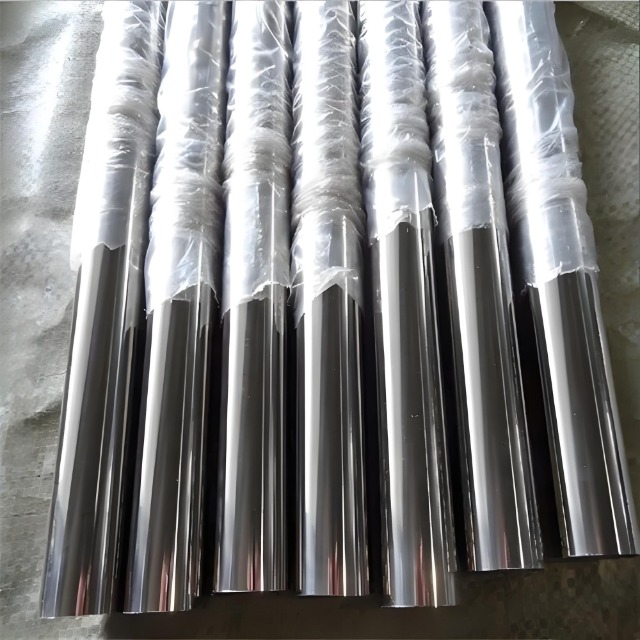
We must contrast their elemental makeup closely. Chemistry dictates performance limits in the field. A Hastelloy C-276 bar contains massive amounts of molybdenum. The concentration typically ranges between 15% and 17%. It also includes 3% to 4.5% tungsten. Inconel relies heavily on a niobium-stabilized composition instead. Inconel 625 features much lower molybdenum levels.
This chemistry difference defines their survival rates. High molybdenum makes C-276 superior against aggressive halogens. It easily withstands wet chlorine gas exposure. It stops hypochlorite and chlorine dioxide attacks instantly. Pitting simply cannot start on its surface. Inconel struggles against these specific chemical agents. Localized attacks penetrate Inconel faster in wet chloride environments.
However, Inconel provides a massive advantage elsewhere. It offers exceptional high-temperature oxidation resistance. The niobium and chromium form a tight protective scale. It protects turbine components in extreme heat applications. Aerospace exhaust systems rely heavily on this oxidation barrier.
| Alloy Grade | Nickel (Ni) | Molybdenum (Mo) | Chromium (Cr) | Tungsten (W) |
|---|---|---|---|---|
| Hastelloy C-276 | Balance (~57%) | 15.0 - 17.0% | 14.5 - 16.5% | 3.0 - 4.5% |
| Inconel 625 | Balance (~58%) | 8.0 - 10.0% | 20.0 - 23.0% | None |
Yield and tensile strengths matter deeply at elevated temperatures. Inconel 625 generally offers higher raw tensile strength. It retains stiffness under intense mechanical loads. It resists physical deformation in high-pressure lines. C-276 sacrifices some physical strength for extreme chemical immunity. We must also address metallurgical structural stability. Intense heat alters internal grain structures rapidly.
A Hastelloy Alloy strongly resists grain boundary precipitation. It maintains its protective integrity during complex welding procedures. High-heat applications do not degrade its corrosion boundary. You do not always need post-weld heat treatments. Inconel sometimes requires careful thermal management. Sensitization can occur if you heat it improperly. This embrittlement leads to unexpected mechanical fractures.
Let us break down the raw material economics. Why does this metal carry such a steep premium? Global commodity markets dictate these exact prices. Nickel, molybdenum, and tungsten experience heavy market volatility. Supply chain disruptions spike these costs overnight. Furthermore, extracting and alloying these rare elements requires immense energy. The melting process demands stringent vacuum controls.
You must build a framework for evaluating long-term ROI. Initial procurement expenses look steep on paper. Imagine an alloy costs significantly more upfront. However, it triples the Mean Time Between Failures (MTBF). If you install it in a sulfuric acid pipeline, it runs for years. The initial premium disappears completely. Zero-failure applications demand this level of absolute reliability. Component longevity fully justifies the initial capital investment.
We must also address scrap and spoilage. Hidden costs destroy fabrication budgets quickly. Poor machining strategies waste highly expensive material. Scrap pieces inflate project expenses significantly. You must optimize your fabrication steps. Protect your investment by avoiding ruined workpieces. Every wasted inch hurts your final profit margins.
Machinists face exact, documented physical challenges daily. These superalloys undergo rapid work hardening during cutting. The metal literally toughens as you slice it. They possess incredibly high shear strength. Tooling wear happens much faster than anticipated. Real machinist feedback highlights these specific shop floor struggles.
You must enforce strict best practices. Turning and milling a Hastelloy Bar/Rod requires patience and rigid setups. Weak tool holders cause chatter and immediate failure. The cutting edge glazes the surface if it rubs instead of cuts. You must penetrate the work-hardened zone decisively.
Tool Rigidity: Use the shortest possible tool overhangs to minimize vibration.
Insert Geometry: Select positive rake angles to shear the material cleanly.
Speed Control: Keep Surface Feet per Minute (SFM) low and steady.
Feed Rates: Maintain heavy, constant feed rates to stay under the work-hardened zone.
Coolant Application: Apply high-pressure, targeted coolant directly to the cutting zone.
Lead times vary drastically between these materials. Sourcing common Inconel 625 round bar is relatively fast. Global distributors stock it widely across multiple continents. You can acquire standard sizes quickly. Specialized C-276 stock requires significantly longer lead times. Supply is tighter for custom dimensions. You must plan procurement schedules months in advance.
Counterfeit materials plague the global metals industry. Subpar metals look identical to the naked eye. You must demand strict Mill Test Reports (MTRs). Verify the original heat lot traceability for every bar. Check the chemical composition signatures against ASTM standards. Subpar materials cause catastrophic system failures in the field.
Let us evaluate optimal choices across different industries. Upstream oil and gas operations face severe sour gas environments. Drillers encounter lethal hydrogen sulfide deep underground. These teams rely heavily on C-276. NACE MR0175 and ISO 15156 standards dictate material choices strictly. Regulatory compliance drives these drilling decisions.
Chemical processing plants operate differently. Reactors handle boiling ferric and cupric chlorides. Hot contaminated media destroys standard metals in hours. C-276 stands as the default choice here. It thrives inside these aggressive, boiling chemical mixtures. It protects reactor vessels perfectly.
Aerospace and marine sectors pivot toward Inconel. Engineers love its high strength-to-weight ratio. Marine applications benefit from its general saltwater resilience. Naval engineers use it for propeller shafts. Aerospace engineers specify Inconel for high-temp exhaust systems. Jet engines generate massive thermal loads. Inconel blocks exhaust oxidation perfectly.
| Environment | C-276 Viability | Inconel 625 Viability |
|---|---|---|
| Wet Chlorine Gas | Excellent | Poor |
| High-Temp Oxidation | Good | Excellent |
| Sour Gas (H2S) | Excellent | Moderate |
You need a systematic method to choose correctly. Follow this exact process to eliminate guesswork.
Environmental Assessment: Identify your primary failure modes first. Determine if you face localized pitting or high-heat oxidation. Map the exact chemicals present.
Regulatory Requirements: Check all mandated safety standards. Verify material specifications for your region and industry. Ensure compliance under NACE or ASME codes.
Lifecycle Budgeting: Run a detailed cost-loss analysis. Calculate the daily financial impact of a potential component failure. Weigh this against the material upgrade fee.
Vendor RFQ Preparation: Demand exact specifications from suppliers. Outline required tolerances, delivery dates, and MTR certifications clearly. Submit these details when requesting quotes.
We can summarize this complex metallurgical debate clearly. Inconel serves as the versatile, high-strength workhorse. It delivers immense high-temp strength. It fights general severe corrosion excellently. Meanwhile, a Hastelloy C-276 bar provides the specialized, definitive answer. It stops aggressive localized chemical attacks dead in their tracks. It handles wet chlorine better than anything else.
We encourage engineers and purchasers to act deliberately. Submit your exact environmental parameters to a qualified metallurgist. Consult a trusted supplier for material verification. Request a precise RFQ and mandate a strict compliance check. You will secure your infrastructure and protect your operations.
A: Molybdenum and tungsten drive the price up significantly. These rare raw elements cost far more than standard iron or chromium. The melting processes also require extreme precision. Manufacturers spend massive energy avoiding carbon and silicon impurities. This complex, highly controlled metallurgy directly increases the final bar cost.
A: No. Interchanging them carries extreme risk. Inconel lacks the required molybdenum to stop aggressive localized pitting. You need a comprehensive corrosion engineering study first. Swapping materials blindly often leads to rapid, catastrophic system failures in severe chemical environments. Always verify chemical compatibility before switching specifications.
A: Inconel 625 is widely stocked globally. You can often secure standard diameters in a few days. A Hastelloy Bar/Rod serves a narrower, highly specialized market. Custom diameters or large orders may require entirely new mill runs. You should expect lead times stretching several weeks for specialized dimensions.
A: Yes. It generally rates lower on standard machinability indexes. Both alloys work-harden rapidly during turning. However, C-276 possesses higher shear strength. It generates more localized heat at the cutting edge. Machinists experience faster tool wear. You must reduce cutting speeds and increase overall machine rigidity.


