- All
- Product Name
- Product Keyword
- Product Model
- Product Summary
- Product Description
- Multi Field Search
English


Views: 0 Author: Site Editor Publish Time: 2026-10-21 Origin: Site


Material failure in extreme high-temperature environments—such as industrial furnaces, aerospace engines, or chemical reactors—results in catastrophic downtime, safety hazards, and severe operational losses. Standard austenitic stainless steels, including 304 or 316 grades, rapidly lose tensile strength, succumb to thermal creep, and oxidize when continuous operating temperatures exceed 1000°F (538°C). You cannot rely on basic alloys when equipment runs red-hot around the clock. Engineers must bridge the gap between structural integrity and extreme thermal stress to keep operations online. Specifying the correct grade of inconel wire for mesh applications provides a verifiable, long-term solution for environments demanding high creep-rupture strength and oxidation resistance. This guide breaks down the technical evaluation criteria for selecting, sizing, and sourcing Inconel mesh for critical applications.
Temperature Thresholds: Inconel alloys maintain structural integrity and resist oxidation in continuous operating environments up to 2000°F (1093°C), far exceeding the capabilities of standard stainless steel.
Alloy Specificity: Selecting between grades (e.g., Inconel 600 wire vs. 625 or 601) requires balancing pure thermal resistance against the need for localized corrosion resistance (such as pitting from chlorides) and mechanical load.
Structural Trade-offs: The specification of wire diameter, mesh count, and weave type directly impacts thermal expansion rates, flow dynamics, and mechanical load-bearing capacity under heat.
Vendor Verification: Partnering with a certified Inconel wire mesh manufacturer that provides full material traceability (Mill Test Reports) is non-negotiable to mitigate the risk of counterfeit or substandard alloys.
When you install wire mesh in extreme thermal environments, you must adhere to strict success criteria. The material must hold its yield strength under continuous load. If it fails to do so, the mesh sags or collapses mechanically. It must resist carburization. This happens when carbon diffuses into the alloy, causing severe embrittlement. You also need dimensional stability under rapid thermal cycling. We evaluate these metrics in the field to ensure the mesh maintains its designed open area and structural geometry. You cannot afford warping or buckling inside the housing.
Take a standard heat-treating furnace as an example. The mesh baskets carry heavy steel parts through heating and quenching cycles. If the mesh loses yield strength, the basket deforms. Parts fall out, jamming the conveyor and stopping production entirely. You need a material that stays rigid. We also look closely at thermal fatigue. Rapid heating and cooling cause aggressive expansion and contraction. Weak alloys crack under this stress within weeks.
Standard 304 and 316 stainless steels perform adequately in ambient or moderately elevated temperatures. However, they reach a critical failure point between 800°F and 1500°F (426°C to 815°C). In this range, chromium carbides precipitate at the grain boundaries. This sensitization depletes the surrounding matrix of chromium. It leads to rapid intergranular corrosion and catastrophic embrittlement. Monel, a copper-nickel alloy, offers excellent resistance to hydrofluoric acid and seawater. Yet, it rapidly loses mechanical strength above 1000°F (538°C). You cannot use it for extreme furnace or turbine applications.
In contrast, specifying high temperature inconel wire introduces a robust nickel-chromium matrix. When exposed to extreme heat, this matrix forms a tightly adhering, passivating oxide layer. This is primarily chromium oxide. This microscopic shield prevents further oxygen diffusion into the core of the wire. This mechanism protects the internal structural integrity of the mesh. It allows the mesh to sustain heavy mechanical loads in environments that would incinerate standard alloys.
Nickel-based superalloys require a higher initial material investment compared to standard austenitic steels. However, looking at the operational lifespan reveals a clear advantage. Stainless steel mesh in a 1600°F (871°C) carburizing furnace often requires replacement every few months due to scaling and rupture. Inconel mesh in the exact same environment operates continuously for years. This extended lifespan reduces maintenance intervals. It minimizes labor hours required for replacement. Most importantly, it prevents unplanned facility outages caused by sudden material failure.
Consider a petrochemical plant running a continuous catalytic reformer. If the catalyst support grid fails, the entire unit shuts down. The lost production revenue dwarfs the initial cost of the mesh. By upgrading the material, you buy reliability. We see facilities extend their turnaround schedules from 18 months to 36 months simply by replacing stainless steel internals with nickel superalloys.
The chemical composition of inconel 600 wire establishes the foundation for extreme heat applications. It contains a minimum of 72% nickel and 14-17% chromium. This specific metallurgical balance provides exceptional resistance to chloride-ion stress-corrosion cracking. It maintains oxidation resistance in continuous operating environments up to 2150°F (1177°C). Engineers primarily specify this grade for heat-treating furnace hardware, carburizing atmospheres, and chemical processing equipment where high heat and corrosive gases intersect.
While grade 600 performs exceptionally well, Inconel 601 introduces a specific modification: the addition of 1.0-1.7% aluminum. This seemingly small metallurgical adjustment dramatically alters the high-temperature behavior. The aluminum facilitates the formation of a highly tenacious alumina subscale beneath the primary chromium oxide layer. This dual-layer protection strongly resists spalling. Spalling is the flaking off of the oxide layer, which happens under severe, rapid thermal cycling. This makes 601 the superior choice for thermal reactors, radiant tubes, and aerospace components subjected to constant heating and cooling phases.
Inconel 625 utilizes the addition of molybdenum (8-10%) and niobium (3.15-4.15%). These elements provide solid-solution stiffening to the nickel-chromium matrix. This increases the mechanical strength of the wire without the need for complex precipitation hardening treatments. More importantly, molybdenum drastically increases the resistance to pitting and crevice corrosion. You select 625 for environments where extreme heat combines with highly corrosive aqueous or chemical media. Examples include sour gas processing, offshore seawater cooling systems, and aggressive chemical filtration.
When wire mesh must bear massive structural loads at elevated temperatures, Inconel 718 provides the necessary mechanical advantage. It is a precipitation-hardenable alloy. It utilizes additions of niobium, titanium, and aluminum to form microscopic precipitates. These gamma prime and gamma double prime phases lock the crystalline structure in place. This yields extraordinary tensile and yield strength up to 1300°F (704°C). The trade-offs include higher fabrication difficulty, severe work-hardening risks during weaving, and increased material costs compared to grades 600 and 625.
| Alloy Grade | Key Alloying Additions | Max Oxidation Temp | Primary Engineering Advantage |
|---|---|---|---|
| Inconel 600 | 72% Nickel (min), 14-17% Chromium | 2150°F (1177°C) | Baseline high-heat stability and carburization resistance. |
| Inconel 601 | 1.0-1.7% Aluminum | 2200°F (1204°C) | Superior resistance to oxide spalling during thermal cycling. |
| Inconel 625 | 8-10% Molybdenum, 3.15-4.15% Niobium | 1800°F (982°C) | Solid-solution stiffened with extreme pitting/crevice corrosion resistance. |
| Inconel 718 | Niobium, Titanium, Aluminum | 1300°F (704°C) | Precipitation-hardened for maximum tensile strength under load. |
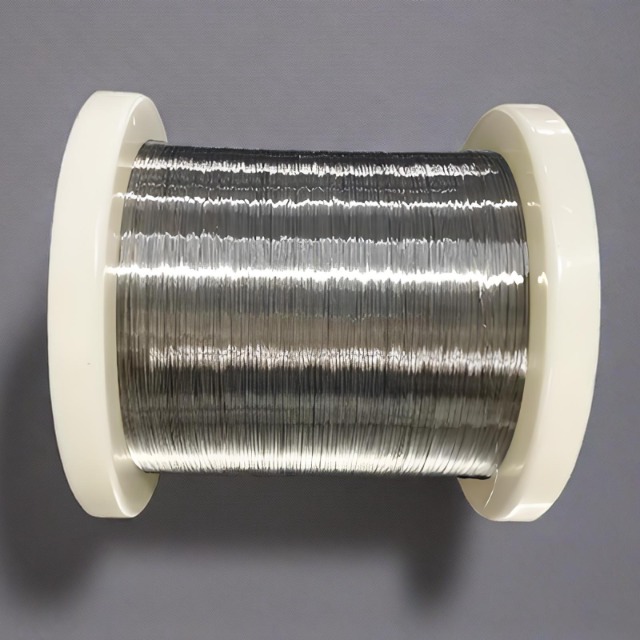
Aerospace engineering pushes materials to their absolute limits. Inconel mesh is heavily utilized in jet engine exhaust systems, thrust reversers, and acoustic liners. Acoustic liners require precise mesh configurations to attenuate specific high-frequency engine noises. They must survive direct exposure to exhaust gases exceeding 1500°F. Materials used in these sectors must comply with stringent Aerospace Material Specifications (AMS). This guarantees uniformity, fatigue resistance, and predictable thermal expansion during flight operations.
When inspecting turbine exhaust components in the field, we look for signs of thermal fatigue. Standard alloys show micro-cracking within hundreds of flight hours. Nickel superalloys maintain their grain structure, ensuring the aircraft remains operational and safe.
Petrochemical refining operations expose hardware to the dual threat of high-temperature operation and aggressive chemical corrosion. Inconel mesh serves as the primary material for catalyst support grids inside massive chemical reactors. These grids must support thousands of pounds of catalyst pellets. At the same time, hot, corrosive gases like sulfuric acid or hydrochloric acid vapors flow through them. Standard alloys quickly succumb to creep and sag under the weight. They dissolve due to the acidic environment. Flare stacks also utilize heavy-gauge Inconel mesh to stabilize flames and prevent flashback in highly volatile atmospheric conditions.
Industrial heat treating relies on continuous conveyor belts, annealing baskets, and radiant tube supports to move parts through furnaces. These components undergo brutal thermal fatigue caused by rapid heating to 1800°F followed by immediate quenching in oil or water. Inconel mesh absorbs these thermal shocks without fracturing. In the power generation sector, particularly nuclear applications, Inconel is used for reactor grid spacers. The material maintains exact dimensional tolerances under high heat and radiation. This ensures fuel rods remain perfectly aligned for optimal coolant flow.
Translating fluid or gas flow requirements into precise mesh specifications requires balancing filtration efficiency against structural rigidity. Mesh count defines the number of openings per linear inch. Higher mesh counts provide finer filtration but restrict flow and increase pressure drop. You must calculate the required open area percentage to ensure adequate throughput.
Weave type dictates the physical behavior of the mesh under thermal load. Plain weave offers high open area and straightforward flow dynamics. Twill weave allows for heavier wire diameters in finer mesh counts, increasing mechanical strength. Dutch weave provides exceptional filtration capabilities by overlapping wires. This creates a dense, highly rigid structure ideal for high-pressure, high-heat extrusion processes.
Selecting the correct wire gauge directly impacts the mechanical load-bearing capacity at peak operating temperatures. Thicker wires provide higher tensile strength and resist deformation under load. However, they also increase the thermal mass of the mesh. High thermal mass means the mesh takes longer to heat up and cool down. This alters heat transfer rates inside a furnace or reactor. You calculate the necessary wire diameter by evaluating the anticipated physical weight the mesh must support while operating at temperatures where the alloy's yield strength is naturally reduced.
All metals expand when heated. The coefficient of thermal expansion (CTE) dictates how much the mesh will grow at peak operating temperatures. If you secure the mesh rigidly within a frame without accounting for this expansion, the mesh will warp, buckle, or tear itself apart.
Field-proven design mitigations include:
Utilizing slotted mounting holes to allow frame movement.
Designing floating frame assemblies that expand independently.
Incorporating intentional corrugations in the mesh to absorb thermal growth.
Creep resistance is the ability to resist slow, permanent deformation under constant mechanical stress at high temperatures. It is inherent to nickel superalloys, but proper frame design ensures the mesh operates within its structural limits.
Fabricating superalloy mesh presents significant manufacturing challenges. Nickel-based superalloys exhibit rapid work-hardening characteristics. As the material is cut, stamped, or formed, the localized area becomes substantially harder and more brittle. This requires specialized tooling, rigid machine setups, slow cutting speeds, and positive feed rates. If the tools rub against the material, they further harden the surface. Best practices during fabrication involve minimizing unnecessary deformation. Use heavy-duty presses to stamp or shear the mesh cleanly in a single stroke. Operators must use carbide-tipped cutting tools and heavy clamping to prevent vibration during machining.
Integrating the mesh into larger assemblies often requires welding it to dissimilar metals, such as standard stainless steel structural frames. This process demands strict adherence to specific welding protocols. You must specify compatible filler metals, such as Inconel 82 or 182. These bridge the metallurgical gap between the two alloys. Using incorrect filler metals leads to severe galvanic corrosion. It causes weld cracking due to thermal expansion mismatches. It results in premature failure of the joint under high-heat cycling. TIG (Tungsten Inert Gas) welding is typically preferred for its precise heat control, preventing burn-through on fine wire diameters. Welders must use 100% Argon or Argon/Helium mixes for shielding gas to prevent atmospheric contamination.
Maintaining the mesh requires specific cleaning protocols to preserve its high-temperature resistance. The alloy relies entirely on its microscopic, passivating oxide layer for protection. Aggressive mechanical cleaning, such as heavy sandblasting or using carbon steel wire brushes, strips this layer. It embeds iron particles into the nickel matrix, leading to rapid localized corrosion. Maintenance teams must use dedicated stainless steel brushes, approved chemical solvents, or ultrasonic cleaning methods. These remove process debris without compromising the protective chromium oxide scale.
Sourcing superalloy materials demands rigorous vendor vetting. Partnering with a specialized inconel wire mesh manufacturer ensures the material meets exact engineering specifications. Qualified manufacturers possess in-house weaving capabilities specifically calibrated for the high tensile strength and work-hardening nature of nickel alloys. They hold active ISO 9001 or AS9100 certifications. This proves their quality management systems meet industrial and aerospace standards. Utilizing unverified brokers or low-cost overseas suppliers introduces severe risks. These include inconsistent alloy composition, poor weldability, and catastrophic premature failure in critical applications. When auditing a manufacturer, check their wire drawing dies, annealing processes, and weaving loom tension controls.
In extreme heat applications, assuming material quality is a dangerous engineering practice. Full material traceability is an absolute necessity. Procurement teams must require Mill Test Reports (MTRs) for every batch of wire mesh. These documents verify the exact chemical composition, heat lot number, and mechanical properties of the raw material. Prior to installation, implementing Positive Material Identification (PMI) testing using X-ray fluorescence (XRF) analyzers confirms the mesh matches the MTR. Strict compliance with ASTM, ASME, and AMS standards guarantees the mesh will perform exactly as calculated under thermal stress.
The supply chain for specialized superalloys moves slower than standard commercial metals. Drawing raw rod down to fine wire gauges, followed by custom weaving, involves extended lead times. You must factor these timelines into project schedules. This is especially true for facility turnarounds or emergency outage planning. Developing a strategy for prototyping allows teams to verify custom fabrication tolerances, flow rates, and structural fitment before committing to large-scale production runs.
To ensure structural integrity and prevent catastrophic material failure in extreme heat environments, execute the following steps:
Define your precise mesh requirements, including mesh count, wire diameter, open area percentage, and specific alloy grade based on your thermal environment.
Calculate your structural frame tolerances to accommodate the specific coefficient of thermal expansion for your chosen superalloy grade.
Request MTR-backed material samples from a certified manufacturer to verify chemical composition and test fabrication compatibility.
Initiate technical consultations with your weaving partner to review environmental variables, custom tolerances, and optimal joining protocols for your specific application.
A: Inconel 600 wire mesh maintains structural integrity and provides excellent oxidation resistance in continuous operating environments up to 2000°F (1093°C). Its absolute oxidation resistance threshold peaks at approximately 2150°F (1177°C). This makes it highly effective for extreme heat-treating and chemical processing applications where standard alloys would rapidly fail.
A: While 316 stainless steel begins to scale, suffer from carbide precipitation, and lose structural integrity above 1500°F (815°C), Inconel maintains its tensile strength well beyond this point. Its high nickel-chromium matrix forms a passivating oxide layer that protects the core wire, preventing the rapid oxidation and embrittlement seen in standard stainless steels.
A: The primary difference is the addition of 1.0-1.7% aluminum in Inconel 601. This aluminum addition creates a tightly adherent alumina subscale beneath the primary chromium oxide layer. This dual-layer protection gives 601 superior resistance to oxidation and spalling under severe, repetitive thermal cycling compared to standard grade 600.
A: Yes, dissimilar metal welding is technically feasible, but it requires strict protocols. You must use specific filler metals, such as Inconel 82 or 182, to bridge the metallurgical gap. This prevents galvanic corrosion and mitigates the severe risks associated with the different thermal expansion rates of the two metals.
A: Inconel 625 contains significant additions of molybdenum and niobium. The molybdenum provides superior resistance to pitting and crevice corrosion. This makes 625 the ideal choice for environments that combine extreme heat with highly aggressive chemicals or aqueous corrosive media, such as sour gas processing or seawater cooling systems.
A: You must request Mill Test Reports (MTRs) and Certificates of Conformance (CoC) for every batch of material. Additionally, utilizing Positive Material Identification (PMI) testing prior to installation is highly recommended. This verifies the exact chemical composition and mechanical properties of the superalloy match the provided documentation.


