- All
- Product Name
- Product Keyword
- Product Model
- Product Summary
- Product Description
- Multi Field Search
English


Views: 0 Author: Site Editor Publish Time: 2026-10-14 Origin: Site


High-performance applications in aerospace, chemical processing, and energy sectors require materials that withstand severe conditions. Components ranging from gas turbine parts to industrial wire mesh and extreme-environment fasteners rely heavily on nickel-chromium superalloys. These environments expose metals to extreme heat, corrosive chemicals, and immense mechanical stress. Standard stainless steel simply degrades under these parameters. However, the premium cost of these specialized materials frequently triggers intense budget scrutiny. Procurement managers and engineering teams struggle to accurately forecast project costs. Opaque pricing models, volatile raw material markets, and hidden processing expenses make notoriously difficult-to-machine superalloys hard to budget. Understanding the specific metallurgical, manufacturing, and supply chain variables dictating final costs is essential. You need this knowledge to justify the investment, select the appropriate grade, and negotiate effectively with vendors.
Raw Material Volatility: The baseline inconel wire price is heavily dependent on global commodity markets for expensive alloying elements like nickel, chromium, and molybdenum, making spot pricing highly variable.
Processing and Risk Premiums: The inherent hardness and rapid work-hardening rates of Inconel drastically increase manufacturing costs; supplier quotes reflect not just stock material and machine time, but a necessary risk premium for tool degradation.
Grade-Specific Economics: Specifying Inconel 600 wire versus 625, 718, or X750 significantly alters the price-to-performance ratio; over-specifying resistance factors (e.g., flammability, fresh water, extreme heat) is a primary driver of wasted procurement budget.
Supplier Value: A reliable inconel wire supplier provides value beyond the per-kilogram rate through certified traceability, adherence to tight tolerances, and reliable lead times that prevent production bottlenecks.
Base commodity costs dictate the foundation of superalloy pricing. Nickel acts as the primary austenitic stabilizer and often makes up the majority of the total composition. Chromium adds essential oxidation resistance, forming a passive layer that protects the metal in harsh environments. Secondary expensive alloying elements like molybdenum, niobium, and titanium further elevate baseline expenses. These metals trade on global exchanges like the London Metal Exchange. Their daily spot rates fluctuate based on mining output, geopolitical stability, and global industrial demand.
Global supply chain disruptions directly impact the baseline inconel wire price. Commodity market fluctuations create unpredictable spot rates for raw materials. When nickel prices spike due to competing manufacturing demands, superalloy costs follow immediately. Mills frequently apply alloy surcharges to offset raw material swings. These surcharges bridge the financial gap between order placement and final delivery. Buyers must monitor these surcharges closely, as they often change monthly and can drastically alter the final invoice amount.
Refining these base metals requires immense energy. The extraction and purification processes for titanium and niobium are particularly resource-intensive. Any spike in global energy costs directly inflates the cost of producing the raw ingots. Electric arc furnaces and vacuum induction melting facilities consume massive amounts of power. This heavy energy dependency adds another layer of volatility to the final retail rate, making long-term budget forecasting a significant challenge for procurement teams.
Work hardening is a harsh metallurgical reality for nickel-based alloys. Drawing superalloys requires frequent intermediate annealing cycles. You cannot simply pull these materials through a series of reduction dies in one continuous pass. The metal becomes brittle, the tensile strength spikes, and the wire eventually fractures. Operators must stop the process, heat the material in specialized strand annealing furnaces, and allow the grain structure to soften before continuing the reduction process.
Specialized drawing dies experience high tool wear rates. Diamond or heavy-duty carbide dies degrade rapidly against the abrasive nature of the alloy. Operators must use slower processing speeds to maintain strict dimensional tolerances. Pushing the equipment too fast results in surface defects, galling, and out-of-spec diameters. This reduced throughput directly increases the manufacturing overhead applied to every spool, as machine time is a primary cost driver in wire production.
Heat treatments required to achieve specific tempers are incredibly energy-intensive. Producing a spring temper versus a fully annealed state demands precise thermal control. The cooling rates must be strictly monitored to prevent unwanted phase precipitations. The longer the material sits in the furnace, and the more complex the thermal cycle, the higher the final invoice. These processing realities explain why superalloy wire costs significantly more than the raw ingot.
Working these alloys is notoriously difficult. This inherent difficulty leads directly to higher scrap rates during manufacturing. Even experienced operators ruin batches during the drawing or annealing phases. Surface cracking, internal voids, or dimensional failures render the material unusable for critical applications. When a large coil yields only a fraction of usable finished wire, the cost of the lost material is baked into the rate of the good wire.
Manufacturers build a risk premium into their quotes. They must account for potential material loss and inevitable machine downtime. When a drawing die shatters, production stops. The supplier absorbs the cost of the broken tooling and the lost labor hours. They pass these anticipated losses onto the buyer through higher baseline rates. This risk premium is a standard industry practice for any material with a low machinability rating.
Superalloy scrap recovery plays a crucial role in mill yield calculations. Clean, segregated scrap retains significant value. Mills melt this scrap down to produce new ingots. However, contaminated scrap loses its premium status. If nickel scrap gets mixed with standard steel turnings, its value plummets. The efficiency of a mill's scrap recovery program factors heavily into the final retail rate of the material. Poor yield management guarantees higher prices for the end user.
The standard composition relies on a robust nickel-chromium-iron matrix. Primary use cases include furnace components, chemical processing equipment, and standard high-temperature fasteners. inconel 600 wire serves as the cost-baseline for the entire family. It provides a solid foundation of performance without the extreme costs associated with complex precipitation-hardening elements. It is the workhorse grade for general high-temperature industrial applications.
It offers excellent oxidation resistance at elevated temperatures. The material achieves top-tier flammability and fresh water resistance ratings. It resists chloride-ion stress-corrosion cracking exceptionally well. It delivers these benefits without the premium additives found in higher grades. For many industrial applications, this grade provides the perfect balance of performance and budget, making it a staple in heat treating facilities.
Engineers often specify this grade for heat-treating baskets, furnace muffles, and chemical reactor vessels. The lack of molybdenum keeps the price relatively stable compared to its siblings. If your application does not involve severe pitting environments or require extreme tensile strength at high temperatures, this baseline grade is usually the smartest financial choice. Over-specifying beyond this grade is a common procurement mistake.
Grade 625 includes significant molybdenum and niobium additions. These elements provide superior pitting and crevice corrosion resistance. Marine environments, offshore oil rigs, and sour gas wells demand this specific chemistry. The addition of these expensive elements pushes the cost significantly higher than the baseline. The material also becomes harder to draw, increasing processing fees and extending lead times for custom diameters.
Grade 718 is precipitation-hardenable. It maintains high yield strength at extreme temperatures. Aerospace engine components and cryogenic storage tanks rely heavily on this alloy. Complex heat treatment requirements push 718 into the highest tier. Achieving the precise mechanical properties requires a multi-stage solution annealing and aging process. This time-consuming thermal treatment adds massive overhead to the final product.
Grade X750 functions as a specialized, high-cost variant. Gas turbines and high-tension springs frequently demand this specific chemistry. Titanium and aluminum additions drastically impact processing complexity. These elements make the alloy incredibly sensitive to atmospheric contamination during melting. Producers must use vacuum environments, which require multi-million dollar equipment setups and highly trained metallurgical staff to operate successfully.
| Alloy Grade | Key Alloying Additions | Primary Performance Benefit | Typical Applications |
|---|---|---|---|
| 600 | Nickel, Chromium, Iron | Oxidation resistance, baseline high-temp stability | Furnace muffles, heat treat baskets |
| 625 | Molybdenum, Niobium | Pitting and crevice corrosion resistance | Marine hardware, sour gas well components |
| 718 | Niobium, Titanium, Aluminum | Extreme yield strength at high temperatures | Jet engine stators, cryogenic tanks |
| X750 | Titanium, Aluminum | High-tension spring properties at extreme heat | Gas turbine springs, nuclear reactor parts |
Evaluate if superalloys are strictly necessary based on exact heat thresholds. Many engineers over-specify materials out of an abundance of caution. This habit destroys procurement budgets. If operating temperatures remain below 1000°F (538°C), you might not need a nickel-based superalloy. Carefully analyze the actual environmental conditions, peak operating temperatures, and corrosive agents before locking in a specification.
Compare options against alternatives like duplex stainless steel. Wire mesh and filtration applications often present massive cost-saving opportunities. Duplex stainless offers excellent corrosion resistance in many chemical environments. It costs a fraction of what nickel-chromium alloys demand. Extreme heat resistance is not always the primary deciding factor in fluid filtration, making duplex a highly viable alternative.
Downgrading saves significant procurement budget when environmental conditions allow. Work closely with your engineering team to define the absolute maximum parameters. Do not pay for 2000°F oxidation resistance if your furnace only reaches 1200°F. Smart material selection is the fastest way to control project costs without sacrificing safety or operational reliability.
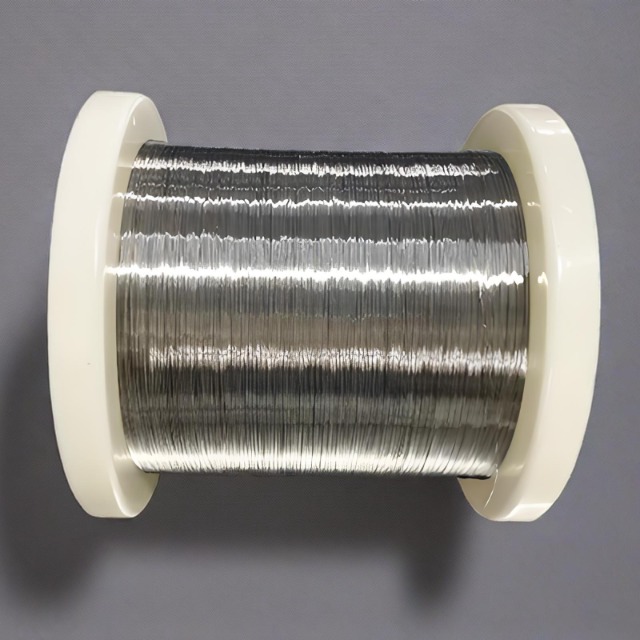
The initial material purchase represents only a fraction of total expenses. Cutting tools and forming equipment degrade rapidly. Processing raw inconel wire into final components like springs, bolts, or mesh destroys standard tooling. You cannot use high-speed steel cutters on these alloys. You must invest in premium carbide or ceramic inserts, which cost significantly more and require frequent replacement.
Rigid setups and specialized lubricants add significant operational overhead. Machine tools must be heavy and vibration-free. Any chatter during the cutting process will instantly ruin the tool and the workpiece. Specialized cutting fluids delivered at high pressure are required to dissipate the massive heat generated during machining and to break the stringy chips. These fluids require proper disposal, adding environmental compliance costs.
Welding consumables require precise storage and handling. Using these alloys as filler metal demands strict environmental controls. You must store them in climate-controlled ovens to prevent moisture absorption. Hydrogen embrittlement from damp filler metal causes catastrophic weld failures. These strict storage requirements add hidden overhead to fabrication facilities that work with superalloy welding wire.
Custom diameters trigger high MOQs from mills. If you need a non-standard gauge, the mill will not set up their drawing equipment for a small batch. You will be forced to buy hundreds of kilograms, even if you only need fifty. This ties up capital in unused inventory. Specific tempers or non-standard grades force larger production runs to justify the setup time and the scrap generated during the initial drawing passes.
Holding excess inventory carries a heavy financial impact. Warehouse space, insurance, and the opportunity cost of tied-up capital drain resources. You must calculate the carrying cost of this material before agreeing to a large MOQ. Sometimes, paying a higher per-kilogram rate for a smaller batch is mathematically superior to funding a massive custom run that sits on your shelf for three years.
Paying a premium for smaller, off-the-shelf quantities from service centers often makes strategic sense. Service centers buy in bulk from the mills and break the lots down. They charge a markup for this service. However, this markup is often cheaper than dealing with mill minimums. Service centers also provide immediate availability, which is critical when a production line goes down and you need material overnight.
Mandatory quality assurance is never cheap. Non-Destructive Testing and Positive Material Identification require specialized equipment and certified technicians. Ultrasonic testing detects internal voids that could cause a fastener to snap under load. Eddy current testing finds microscopic surface cracks. You cannot skip these steps when building components for jet engines, pressure vessels, or nuclear reactors.
Mechanical property verification ensures field reliability. Laboratories must pull samples to destruction to verify tensile strength and yield points. They must conduct hardness testing and grain size analysis. Every test adds a line item to your final invoice. The more critical the application, the more testing is required, and the higher the final cost of the certified wire.
Full metallurgical traceability via Mill Test Reports is mandatory. Compliance with aerospace or industrial standards adds a non-negotiable premium to the final invoice. An MTR proves the exact chemical composition of your specific batch, tracing it back to the original melt. Without it, the material is virtually worthless for high-stress applications, as engineers cannot verify its structural integrity.
A wide spectrum of rates exists globally. Low-cost Asian market imports contrast sharply with domestic DFARS-compliant materials. Buyers often see quotes from overseas mills that appear too good to be true. These quotes usually exclude the cost of necessary certifications, rigorous testing, and reliable metallurgical composition. They often represent commercial-grade material that is unsuitable for critical applications.
Drastically lower regional rates often indicate skipped quality control steps. The supplier might use lower-grade scrap during the melting process. They might skip the final ultrasonic testing phase to speed up production. When you buy cheap superalloys, you assume all the risk. If the material fails in the field, the cost of the resulting damage, recalls, and lawsuits will dwarf the initial procurement savings.
Domestic materials carry a premium due to strict environmental and labor regulations. DFARS compliance requires that the specialty metals be melted or produced in the United States or a qualifying country. Defense contractors have no choice but to pay this premium. This captive market keeps domestic rates structurally higher than commercial import rates, creating a two-tiered pricing system in the superalloy market.
Geopolitical factors heavily affect nickel and titanium mining. Major nickel deposits are concentrated in a few specific countries. Export bans, tariffs, or political instability in these regions immediately choke the global supply. When raw material stops flowing, mills cannot produce ingots, and lead times stretch from weeks to months. Procurement teams must monitor global mining news to anticipate these supply shocks.
Regional energy costs impact electric arc furnace operations. Vacuum induction melting facilities require massive power grids to melt the raw elements. In regions experiencing energy crises, mills are forced to run at reduced capacity or shut down entirely during peak hours. This reduced output tightens the market, extends lead times, and drives up spot rates for finished wire products.
Increased demand from aerospace, defense, and renewable energy sectors tightens supply. The commercial aviation sector consumes massive quantities of grade 718 for turbine components. Geothermal and nuclear applications drive up long-term contract rates for grade 600. As these industries expand, they lock up mill capacity, leaving smaller buyers fighting for remaining allocations on the spot market.
A qualified inconel wire supplier maintains direct relationships with DFARS-compliant mills. They do not buy from anonymous brokers. They hold active ISO 9001 or AS9100 certifications. They operate in-house testing capabilities, using X-ray fluorescence guns to verify incoming stock. You must audit their quality manual and facility before placing a critical order for aerospace or defense applications.
Purchasing gray-market superalloys carries immense risk. Counterfeit materials feature inconsistent chemical compositions. A bad batch might have slightly less chromium or high carbon content. These microscopic defects inevitably lead to catastrophic failure in high-stress applications. Never buy superalloys without a clear, auditable paper trail back to the original melt facility.
Request sample MTRs during the evaluation phase. Check the heat numbers and verify the testing laboratory. Call the original mill if necessary to confirm the distributor is authorized. A legitimate vendor will welcome this scrutiny and provide the paperwork immediately. A shady broker will make excuses, delay providing the documentation, or provide redacted reports.
Watch for clear warning signs during the RFQ process. Rates significantly below the market average indicate trouble. The vendor is likely quoting a lower grade, planning to substitute materials, or omitting necessary testing. An inability to provide sample MTRs upfront is a major red flag. If they do not have the paperwork, they do not have the material, and they are likely brokering the deal.
Vague lead-time commitments disrupt production schedules. Delivery estimates of four to six weeks often turn into six months when dealing with unreliable brokers who do not hold physical inventory. Demand firm delivery dates tied to financial penalties for delays. Reliable vendors understand their supply chain, hold stock, and will commit to hard delivery dates.
Beware of bait-and-switch tactics regarding alloy surcharges. Risk premiums omitted from the initial quote will destroy your budget later. Ensure the quote explicitly states that the price includes all current surcharges, testing fees, and packaging costs. Do not accept open-ended quotes that allow the vendor to adjust the price at the time of shipment based on market fluctuations.
Spot-market purchases work well for immediate, low-volume needs. If you need a few spools for a prototype or a short-run repair job, pay the market rate and move on. However, relying on the spot market for ongoing production exposes you to massive volatility. A sudden spike in nickel prices will destroy your profit margins on fixed-price manufacturing contracts.
Negotiating long-term agreements locks in rates and secures mill capacity. These agreements guarantee availability for ongoing production lines. You commit to buying a set volume over twelve to twenty-four months. In exchange, the supplier holds the inventory and smooths out the price fluctuations. This strategy provides budget certainty and protects against sudden supply chain shocks.
Balance immediate cash flow against long-term supply chain security. Work with your finance team to determine how much capital you can commit to raw materials. A strong relationship with a reliable service center allows you to set up blanket orders with scheduled releases. This keeps your cash free while guaranteeing material availability exactly when your shop floor needs it.
The high cost of superalloy wire directly reflects its raw material scarcity. Complex manufacturing requirements, high scrap rates, and unparalleled performance in extreme environments justify the expense. It is an investment in failure prevention, not just a raw material purchase. When a single component failure can shut down a power plant or ground an aircraft, the initial material cost becomes irrelevant compared to the cost of catastrophic failure.
Base grade selection strictly on maximum operating temperatures and specific corrosive agents. Default to standard grades unless unique strengths are explicitly required by the engineering drawings. Over-engineering your material selection is the fastest way to waste capital. Trust the data, understand the metallurgical realities, and partner with vendors who prioritize traceability and quality control.
Take the following actions to optimize your next procurement cycle:
Collaboratively define exact specifications including diameter, temper, and required certifications before engaging vendors.
Identify the precise end-use application parameters to prevent costly over-specification of alloy grades.
Audit a shortlist of suppliers capable of providing full metallurgical traceability and in-house testing.
Request detailed breakdowns of base material costs versus processing surcharges to expose hidden fees.
A: It contains high percentages of expensive elements like nickel, molybdenum, and niobium. The material also work-hardens rapidly during drawing. This requires frequent intermediate annealing and destroys tooling, driving up manufacturing overhead and scrap rates.
A: Regional energy costs, local labor rates, and varying compliance standards drive differences. Lower-priced imports often lack rigorous aerospace or DFARS certifications. They may skip mandatory non-destructive testing entirely, passing the failure risk onto the buyer.
A: Grade 600 serves as the baseline. Grade 625 costs significantly more due to added molybdenum and niobium. These additions provide superior pitting and crevice corrosion resistance, justifying the premium for harsh marine or chemical environments.
A: The extreme hardness and rapid work-hardening characteristics cause unpredictable tool failure. Suppliers build a financial buffer into quotes to cover broken drawing dies, ruined cutting tools, and unexpected machine downtime during production.
A: Yes. MTRs prove the exact chemical composition and mechanical properties. Without them, you risk using counterfeit or out-of-spec materials that could cause catastrophic failure in high-stress applications like aerospace or pressure vessels.
A: Yes, if extreme heat resistance is not the primary factor. Duplex stainless offers excellent corrosion resistance for applications like fluid filtration. It costs significantly less than nickel-based superalloys when high-temperature oxidation is not a concern.


