- All
- Product Name
- Product Keyword
- Product Model
- Product Summary
- Product Description
- Multi Field Search
English


Views: 0 Author: Site Editor Publish Time: 2026-08-03 Origin: Site


Aerospace, energy, and defense manufacturing teams constantly navigate a critical tension: balancing the engineering necessity of extreme temperature and corrosion resistance against the procurement reality of highly volatile superalloy costs. Accurately forecasting project budgets becomes a complex challenge when sourcing high-performance materials. You must account for intricate pricing structures that combine base market rates with fluctuating raw material surcharges.
This guide provides a comprehensive framework for evaluating, estimating, and sourcing materials. By understanding the underlying cost drivers, engineering teams and procurement specialists can better align strict technical specifications with highly effective purchasing strategies, ensuring project viability without compromising on material integrity.
Pricing Structure: Total cost is rarely a flat rate; it relies on a base market price heavily modified by fluctuating raw material surcharges (primarily Nickel and Niobium).
Form Factor Premiums: Processing costs dictate that thin-gauge Inconel 718 sheet typically carries a higher per-pound price than thicker Inconel plate/sheet or billet due to extensive rolling and annealing requirements.
International Specifications: Compliance with international designations (UNS N07718 and W.Nr. 2.4668) and stringent aerospace standards (e.g., AMS 5596, AMS 5597) dictates baseline material costs.
Form-Specific Price Benchmarks: Recognize cost variations across different forms: raw billet ($30–$80/lb), distributor-level plate/rod ($110–$150/lb), standard sheet/strip ($125–$150/lb), and ultra-thin stock ($130–$155/lb).
Risk Mitigation: Strategic procurement requires balancing Minimum Order Quantities (MOQs), lead times, and verified mill sourcing to avoid counterfeit materials and budget overruns.
Defining specific operational thresholds justifies the initial investment in this high-performance inconel alloy. Engineers specify this material when components must maintain absolute structural integrity across a massive temperature gradient, typically ranging from cryogenic lows of -423°F up to extreme highs of 1300°F. The material delivers exceptional high yield strength, tensile strength, and creep-rupture properties at elevated temperatures. Furthermore, its inherent oxidation resistance protects critical components in harsh, corrosive environments where standard metals would rapidly degrade.
The substantial upfront material investment is consistently offset by extended component lifespans and significantly reduced maintenance downtime. Unlike many other superalloys, this specific grade offers exceptional weldability. It resists post-weld strain-age cracking, which simplifies fabrication and repair processes in demanding industrial applications. This unique combination of mechanical strength and fabrication stability makes it indispensable for gas turbine engine parts, liquid fuel rockets, and cryogenic tank structures.
International standards strictly govern the baseline chemical composition, establishing its foundation market value. Under UNS N07718 and W.Nr. 2.4668 designations, the chemistry requires 50-55% Nickel, 17-21% Chromium, and a crucial 4.75-5.5% Niobium (Columbium) addition. This precise nickel-chromium base, alloyed with molybdenum and titanium, ensures consistent precipitation-hardening characteristics. Meeting these stringent metallurgical requirements dictates the baseline production costs at the mill level.
| Element | Minimum (%) | Maximum (%) | Impact on Performance |
|---|---|---|---|
| Nickel (Ni) | 50.00 | 55.00 | Base matrix, provides high-temperature stability and corrosion resistance. |
| Chromium (Cr) | 17.00 | 21.00 | Primary driver for oxidation resistance at elevated temperatures. |
| Niobium (Nb) | 4.75 | 5.50 | Critical for precipitation hardening (gamma double prime phase). |
| Molybdenum (Mo) | 2.80 | 3.30 | Enhances solid-solution strength and pitting resistance. |
| Titanium (Ti) | 0.65 | 1.15 | Contributes to age-hardening response alongside niobium. |
The mechanical properties derived from this chemistry require precise heat treatment cycles. Solution annealing followed by a two-step aging process precipitates the strengthening phases within the microstructure. This thermal processing adds time and energy consumption to the manufacturing cycle, directly influencing the final material cost. When evaluating the financial case, you must weigh these processing requirements against the operational longevity the material provides in service.
Fabricators must also account for machining and forming characteristics. The high work-hardening rate necessitates rigid tooling, positive feeds, and heavy-duty machining centers. While the raw material cost is significant, the secondary processing costs—including tooling wear and slower machining speeds—must be factored into the overall project budget. Proper planning and optimized machining parameters help control these secondary expenses.
Superalloy procurement relies on a dynamic pricing model rather than fixed catalog rates. The final invoice reflects a base price combined with an alloy surcharge. Mills calculate this surcharge based on trailing 30-day commodity market averages for the constituent base metals. When global nickel or niobium markets experience volatility, the surcharge adjusts accordingly, meaning the total cost of your material can shift significantly between the initial quote and final delivery.
Understanding estimated market ranges by form factor helps establish realistic baseline expectations. Raw mill or bulk billet represents the lowest relative cost multiplier, assuming high volume commitments. Distributor plate, rod, and billet carry standard processing and stocking markups. Standard sheet and strip, typically ranging from 0.5 mm to 3.0 mm in thickness, require significant rolling and annealing, pushing the relative cost higher. Ultra-thin stock and foil command the highest premiums due to the extreme difficulty of rolling high-strength superalloys to such tight tolerances. Wire and custom drawn forms also require specialized structural draw requirements, adding further premiums.
An inverse relationship exists between material thickness and processing cost. A 0.5 mm sheet costs substantially more to produce than a 2-inch plate. Achieving thin gauges requires multiple cold-rolling passes. Because the material work-hardens rapidly, mills must perform intermediate annealing cycles between rolling passes to restore ductility. Each heating and rolling cycle consumes massive amounts of energy, increases labor time, and introduces additional surface treatment requirements, all of which compound the final rate.
Base Manufacturing Cost: Covers the melting, initial forging, and standard mill operations required to produce the raw ingot or slab.
Alloy Surcharge: A variable fee applied at the time of shipment, calculated using the current market indices for nickel, chromium, molybdenum, and niobium.
Form Factor Premium: Additional costs applied based on the extensive rolling, drawing, or machining required to achieve the final dimensions.
Tolerance Premium: Surcharges applied when requesting dimensional accuracy tighter than standard commercial specifications.
Testing and Certification Fees: Costs associated with mandatory non-destructive testing, ultrasonic inspection, and the generation of certified Mill Test Reports.
Procurement teams must request quotes that explicitly separate the base price from the alloy surcharge. This transparency allows you to track market fluctuations and verify that the final invoice aligns with the agreed-upon pricing structure. Forward-pricing contracts can sometimes lock in the base price, but the surcharge typically remains variable until the material ships.
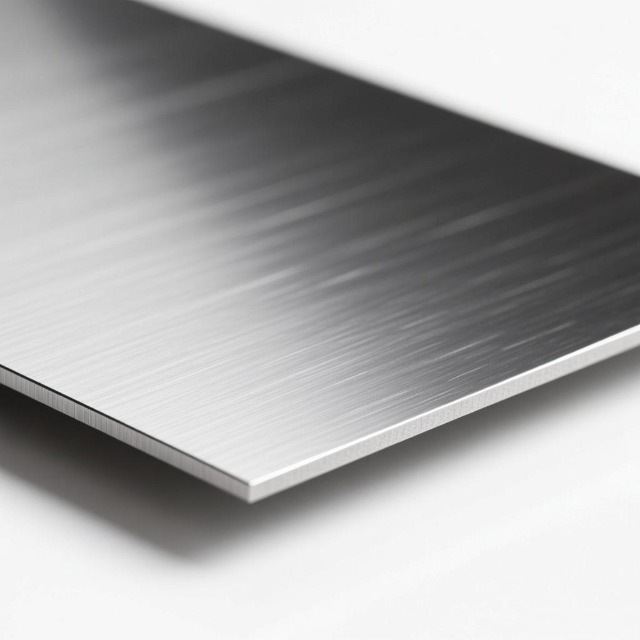
Raw material commodities dictate the baseline economics of superalloy production. Nickel makes up 50-55% of the composition and serves as the primary base metal. Its market value remains highly sensitive to global electric vehicle battery demand and geopolitical supply chain shifts. Niobium and Molybdenum are critical for the age-hardening response that gives the material its strength. These specific elements are subject to distinct mining constraints and refinement bottlenecks, adding further volatility to the raw material surcharge.
Energy and processing intensity represent a massive portion of the manufacturing expense. Achieving the extreme purity required for high-grade superalloys necessitates advanced melting techniques. Vacuum Induction Melting (VIM) followed by Vacuum Arc Remelting (VAR) are standard requirements. These dual-melting processes operate in controlled vacuum environments to eliminate impurities and prevent reactive elements like titanium and aluminum from oxidizing. Maintaining these specialized vacuum furnaces requires immense electrical power and highly specialized infrastructure.
Yield loss significantly impacts the final cost of the finished sheet. High-strength superalloys are notoriously difficult to machine, forge, and roll. The very properties that make the material desirable in extreme environments also make it resistant to deformation during manufacturing. This resistance leads to high scrap rates at the mill level. Edge cracking during cold rolling, surface defects, and stringent ultrasonic testing rejections mean that a substantial portion of the initial melt never makes it to the final customer, forcing mills to distribute the cost of that lost yield across the usable material.
The complexity of the supply chain also contributes to the final cost. Specialized mills capable of producing aerospace-grade superalloys are concentrated in specific geographic regions. Transporting heavy raw materials to the mill, and subsequently shipping the finished product to distributors or end-users, incurs significant logistical expenses. These transportation costs are often embedded in the base price or added as separate line items on the final invoice.
Labor costs in superalloy manufacturing reflect the highly specialized skills required to operate VIM/VAR furnaces, manage complex rolling schedules, and perform rigorous metallurgical testing. Certified metallurgists, non-destructive testing technicians, and experienced mill operators command premium wages. The expertise required to prevent defects during the manufacturing process is a critical component of the material's overall value proposition.
Ordering to strict aerospace specifications carries significant cost implications compared to standard commercial requirements. Aerospace standards like AMS 5596 and AMS 5597 demand highly specific heat treatments, rigorous grain size controls, and extensive elevated-temperature tensile testing. Standard commercial or ASME boiler code specifications generally require less exhaustive verification. If your application does not mandate aerospace-grade certification, specifying commercial grades can reduce unnecessary testing premiums.
Dimensional tolerances directly influence the rejection rate at the mill. Demanding tighter thickness or flatness tolerances on a wide sheet increases the difficulty of production. When mills attempt to hold ultra-tight dimensional controls on a material that inherently resists rolling, the scrap rate rises. The mill passes the cost of this increased rejection rate directly to the buyer in the form of a tolerance premium.
Testing and certification add unavoidable administrative and technical expenses. Compliance requires mandatory non-destructive testing (NDT), rigorous ultrasonic inspections to detect internal voids, and fully certified Mill Test Reports (MTRs) detailing the exact chemical breakdown and mechanical properties of the specific heat lot. These quality assurance steps guarantee material integrity for critical applications but require specialized equipment and certified metallurgists, adding to the bottom line.
Ultrasonic Testing (UT): Detects internal flaws, voids, or inclusions that could compromise structural integrity under load.
Liquid Penetrant Testing (PT): Identifies surface-breaking defects, cracks, or porosity that may initiate fatigue failure.
Tensile Testing: Verifies yield strength, ultimate tensile strength, and elongation at both room temperature and elevated operating temperatures.
Hardness Testing: Confirms the material has achieved the correct hardness level following the specified heat treatment cycle.
Grain Size Analysis: Ensures the microstructure meets the requirements for creep resistance and fatigue life.
The documentation package accompanying the material is as critical as the metal itself. Without full traceability and certified test results, the material cannot be used in aerospace, nuclear, or critical defense applications. Maintaining this documentation chain requires robust quality management systems at both the mill and distributor levels, further contributing to the administrative overhead.
Comparing chemistry and performance between different superalloys helps prevent over-specification. While both are highly capable, they rely on different strengthening mechanisms. The 718 grade relies on niobium additions for precipitation-hardening, allowing it to achieve massive yield strength up to 1300°F. Conversely, the 625 grade relies on molybdenum-niobium solid-solution strengthening and does not undergo aging heat treatments. You should specify 718 when maximum mechanical strength at elevated temperatures is mandatory. If your application primarily requires extreme corrosion and pitting resistance without the need for peak structural strength, 625 might serve as a more suitable alternative.
Over-specification risks draining project budgets unnecessarily. You must evaluate whether your operational parameters truly demand a premium precipitation-hardened superalloy. If operating temperatures remain lower or corrosive environments are less severe, a lower-tier nickel alloy or a high-performance stainless steel like A286 could meet the engineering requirements at a fraction of the cost. Rigorous engineering analysis prevents paying for high-temperature capabilities that the component will never actually experience.
Purchasing standard mill-sized sheets versus custom-cut blanks presents a common procurement trade-off. Buying standard sizes often secures a lower relative rate but leaves you managing high scrap rates and difficult machining processes in-house. Alternatively, paying a premium for custom waterjet-cut or laser-cut blanks shifts the scrap burden back to the distributor. For many fabrication shops, paying the cutting premium proves more economical than absorbing the tooling wear and labor costs associated with cutting high-strength superalloys internally.
| Alloy Grade | Strengthening Mechanism | Primary Application Focus | Relative Machinability |
|---|---|---|---|
| 718 | Precipitation Hardening (Age Hardening) | High strength at elevated temperatures (up to 1300°F). | Difficult; requires rigid tooling and slow speeds. |
| 625 | Solid-Solution Strengthening | Extreme corrosion and oxidation resistance. | Moderate; slightly better than precipitation-hardened grades. |
| A286 | Precipitation Hardening (Iron-Base) | Moderate high-temperature strength (up to 1300°F). | Fair; easier to machine than nickel-base superalloys. |
| X-750 | Precipitation Hardening | High strength and oxidation resistance (up to 1300°F). | Difficult; similar machining characteristics to 718. |
When evaluating alternatives, consider the entire fabrication process. A material with a lower initial purchase price might require more complex welding procedures, post-weld heat treatments, or specialized machining techniques that ultimately drive the total project cost higher than if you had specified a more expensive, but easier to fabricate, superalloy.
Supply chain volatility remains a constant threat to project timelines. Extended lead times frequently stretch to 12-24 weeks or more for non-standard gauges or specialized aerospace specifications. To mitigate this risk, utilize forward-pricing contracts or blanket orders. These agreements allow you to lock in base costs and secure mill production slots well in advance, protecting your budget against sudden commodity market spikes and ensuring material availability when fabrication begins.
Mill Minimum Order Quantities (MOQs) often force teams into over-purchasing material they do not immediately need. When a mill requires a 5,000-pound minimum for a custom gauge, it ties up significant capital. Master distributors and specialized service centers play a crucial role here. They purchase bulk mill quantities and break them down for smaller consumers. While you pay a distributor premium for this service, it prevents massive capital outlays for unneeded inventory.
The critical risk of counterfeit and substandard materials demands strict verification protocols. Gray-market superalloys can lead to catastrophic component failures in extreme environments. Always verify material traceability back to the original melt. Implement a strict checklist requiring original Mill Test Reports (MTRs), DFARS compliance for defense applications, and NADCAP-approved mill origins. Never accept material from unverified sources lacking complete, unbroken documentation chains.
Verify Mill Origin: Ensure the material was melted and manufactured by a recognized, certified superalloy producer.
Review the MTR: Cross-check the chemical composition and mechanical properties against the required AMS or UNS specifications.
Confirm Heat Lot Traceability: Verify that the heat number stamped or marked on the material matches the documentation exactly.
Check DFARS Compliance: For defense contracts, confirm the material was melted in a qualifying country as required by procurement regulations.
Inspect Packaging and Marking: Look for professional, consistent stenciling and secure packaging that indicates careful handling by a reputable distributor.
Building strong relationships with certified metallurgical distributors provides a layer of protection against supply chain disruptions. These partners maintain extensive inventories of inconel plate/sheet and can offer technical guidance on material selection, processing options, and market trends. Relying on their expertise helps navigate the complexities of superalloy procurement.
Procuring high-performance superalloy sheet requires a significant upfront capital investment, but this expense directly reflects the complex metallurgy, energy-intensive processing, and unmatched high-temperature performance of the material. By understanding the specific cost drivers—from raw commodity surcharges to cold-rolling premiums—you can make informed purchasing decisions that protect both engineering integrity and project budgets.
Procurement teams must finalize their required specifications, including precise AMS, UNS, or W.Nr. designations, before entering the market. Calculate exact dimensional needs to minimize in-house scrap, and closely monitor current nickel and niobium market trends to anticipate surcharge fluctuations. Aligning these technical and market variables ensures you request accurate, actionable quotes.
Finalize all technical drawings and dimensional tolerances to minimize scrap.
Define exact quality certification requirements, including AMS specifications and NDT protocols.
Contact a certified metallurgical distributor to request a detailed quote separating base price from alloy surcharges.
Verify all documentation and traceability records before accepting delivery of the inconel 718 sheet.
A: The high cost stems from expensive raw materials like nickel and niobium, combined with energy-intensive Vacuum Induction Melting (VIM) and Vacuum Arc Remelting (VAR) processes. Additionally, the material's extreme strength makes it difficult to roll and machine, leading to higher scrap rates and processing times compared to standard stainless steel.
A: Historical ranges show bulk billet at $30-$80 per pound. Standard 0.5–3.0 mm sheets and strip run between $125-$150 per pound. Thin stock under 0.5 mm can exceed $155 per pound due to extensive processing premiums and current raw material surcharges.
A: The distinction relies on a gauge threshold, typically 0.187 inches. Thinner sheet costs more per pound to manufacture than thicker plate due to the extensive cold rolling and intermediate annealing required to reduce the thickness without fracturing the high-strength material.
A: Superalloy pricing uses a variable mechanism based on trailing 30-day commodity market averages for base metals like nickel, niobium, and molybdenum. The mill quotes a base price for manufacturing, plus a surcharge that fluctuates with the global commodities market.
A: Substitution must be based on engineering requirements, not just market fluctuations. Grade 625 lacks the precipitation-hardening strength of 718 and cannot handle the same extreme mechanical loads at elevated temperatures. While prices fluctuate, 625 is not inherently cheaper.
A: Always demand original Mill Test Reports (MTRs) confirming the exact chemical composition and mechanical properties. Ensure the documentation explicitly lists compliance with UNS N07718 or W.Nr. 2.4668 designations, and verify required aerospace standards like AMS 5596 or AMS 5597.


